
Why Some Renovations Increase Your Home’s Value but Still Cost You Money, Arash Shakour Top Iranian Real Estate Broker in Montreal
- arashshakour
- Mar 18
- 3 min read
Updated: May 11
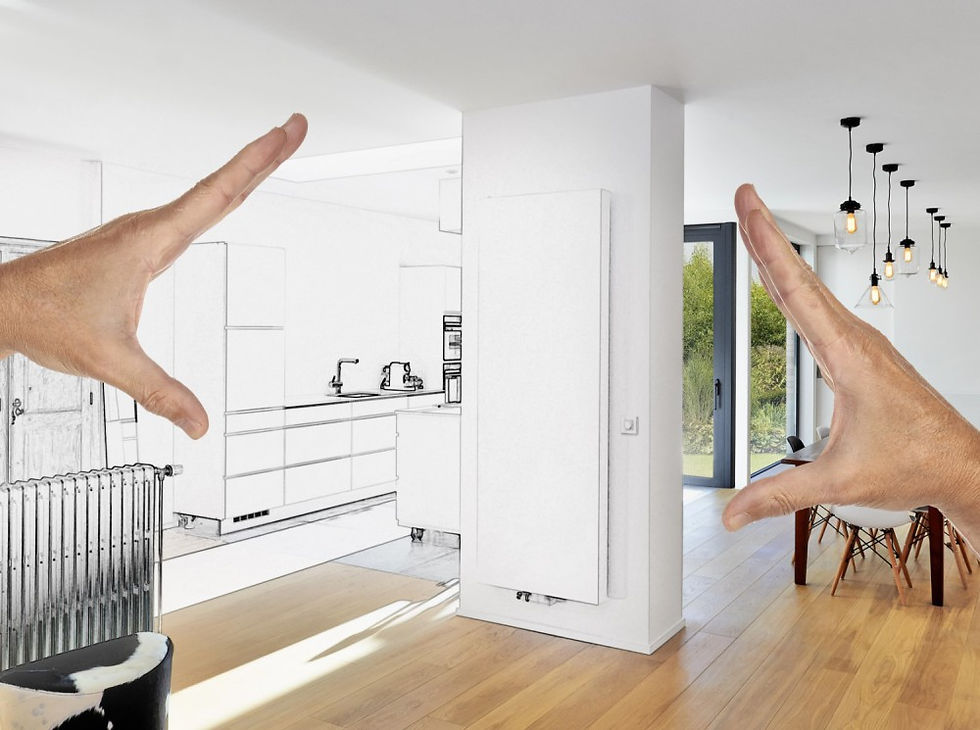
Renovating a property is often seen as a smart move. Many homeowners assume that any improvement that increases a home’s value will automatically lead to profit.
However, in reality, not all renovations deliver a positive return. In many cases, the difference between what you spend and what you recover at the time of sale can turn a seemingly good investment into a financial loss.
The Gap Between Cost and Return on Investment
One of the most important factors to consider is the relationship between renovation cost and return on investment (ROI).
A property may increase in value after renovations, but that increase is not always equal to the amount invested. If the renovation cost exceeds the added resale value, the project is not financially justified.
A Home’s Value Is Relative, Not Absolute
In real estate, value is always relative to the surrounding market.
For example, investing $80,000 in a kitchen upgrade in a neighborhood where homes average $400,000 will not significantly impact the final sale price. Buyers compare properties based on recent sales and local standards.
When a home exceeds the expectations of its area, it can actually become harder to sell.
The Impact of Over-Customization
Some renovations are driven by personal taste, such as unique layouts or high-end finishes.
While these may improve the homeowner’s experience, they can reduce the number of potential buyers. Most buyers prefer neutral, flexible spaces that they can adapt to their own style.
As a result, overly customized renovations can negatively impact resale value.
Smart Renovations That Add Real Value
Not all renovations are equal. Some improvements consistently offer better returns because they align with buyer expectations.
These include:
Improving energy efficiency
Upgrading essential systems
Optimizing layout and functionality
Preventive maintenance, such as roof replacement
According to Arash Shakour Top Iranian Real Estate Broker in Montreal, these types of upgrades are more likely to protect and increase long-term value.
Hidden Costs That Reduce Profit
Many homeowners focus only on renovation expenses, but overlook indirect costs such as:
Financing and interest
Unexpected repairs
Time and project delays
Stress and effort
These hidden factors can significantly reduce overall profit, sometimes leaving little to no financial gain.
Timing Matters More Than You Think
Timing plays a crucial role in renovation decisions.
Renovating just before selling often does not allow enough time for the property value to adjust and recover the investment. In most cases, renovations deliver better results when homeowners enjoy the improvements over several years.
Conclusion
Before starting any renovation project, it is essential to evaluate market conditions, neighborhood standards, and buyer expectations.
The key question is not just whether a renovation improves the appearance of a home, but whether it truly adds value in the eyes of future buyers.
Working with experienced professionals such as Arash Shakour Top Iranian Real Estate Broker in Montreal can help you make informed decisions and avoid costly mistakes.
FAQ, Renovation and Property Value
Do all renovations increase property value?
No, not all renovations provide a positive return. Some improvements increase value, but not enough to cover the cost.
What renovations offer the best ROI?
Upgrades related to energy efficiency, essential systems, and functional improvements typically provide the best return.
Can expensive renovations reduce profit?
Yes, over-investing in high-end or customized features can limit buyer interest and reduce your return.
Why is neighborhood important when renovating?
A home’s value is based on comparable properties. Over-improving beyond neighborhood standards can make it harder to sell.
When is the best time to renovate before selling?
Renovating too close to a sale often reduces ROI. It is better to plan renovations earlier and benefit from them over time.


Comments